If you think someone is having a heart attack, call 911 right away. Do not drive yourself, and do not wait to see if it passes. Emergency crews can start care on the way and alert the hospital before you arrive. Every minute matters.
Knowing the signs ahead of time helps you act fast. This article covers the classic signs, the quieter ones that are easy to miss, and what to do after the emergency is over. It is general education, not a diagnosis.
The classic signs
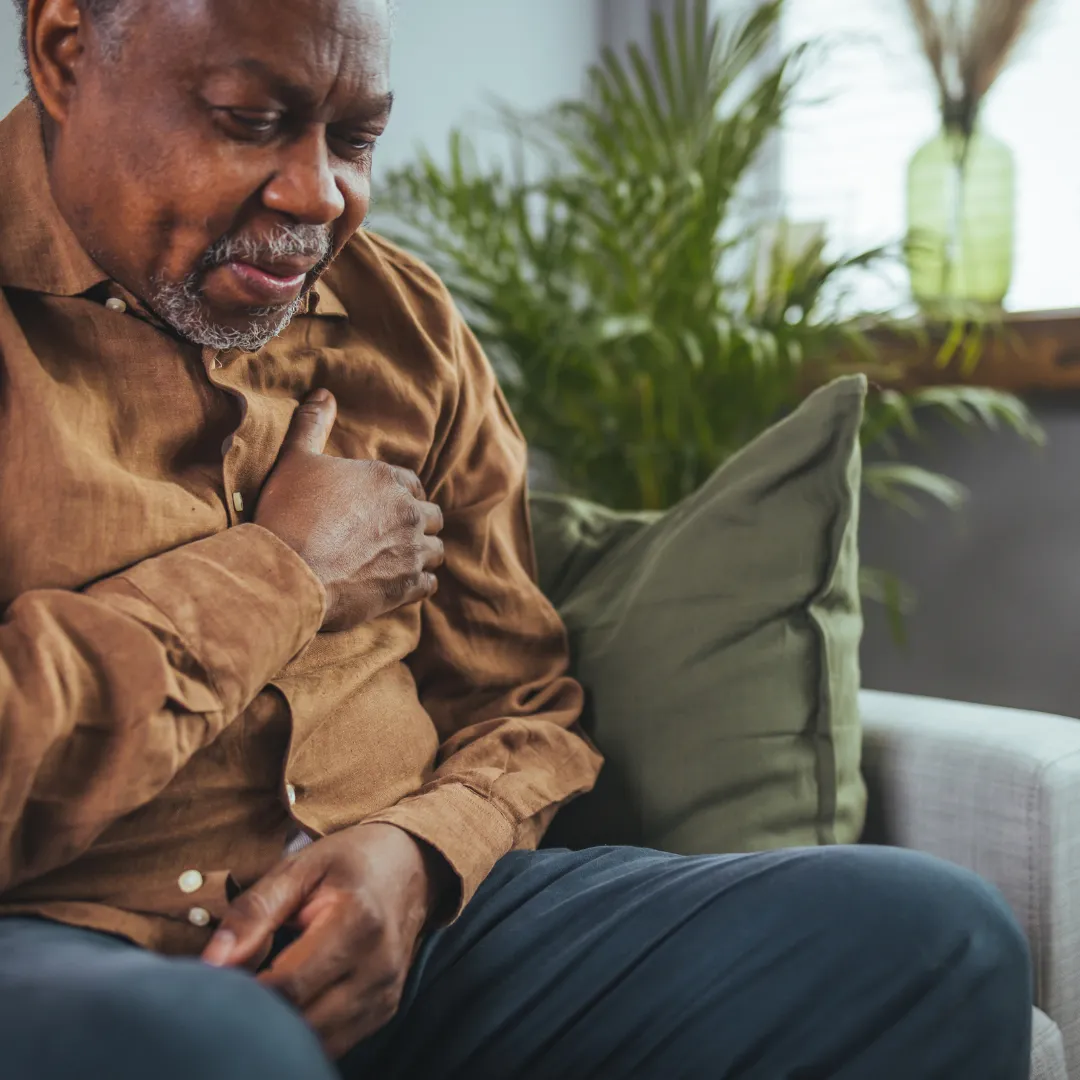
- Chest pain, pressure, squeezing or fullness that lasts more than a few minutes or goes away and comes back
- Pain or discomfort spreading to one or both arms, the back, neck, jaw or stomach
- Shortness of breath, with or without chest discomfort
- Breaking out in a cold sweat
- Nausea or lightheadedness
Some people describe it as an elephant on the chest. Others say it just feels wrong. Both are worth a 911 call.
The quieter signs
Not every heart attack looks like the movies. Women, older adults and people with diabetes may have milder or unusual symptoms, such as:
- Unusual tiredness that comes on fast
- Shortness of breath without chest pain
- Indigestion-like discomfort or nausea
- Discomfort in the upper back, jaw or shoulders
If something feels off and it is new, trust your gut. Call 911. It is far better to be checked and sent home than to wait at home with a heart attack.
What to do while you wait
- Call 911 and stay on the line
- Unlock the door and turn on a porch light if it is dark
- Sit down and rest
- Follow the 911 operator's instructions, including any about aspirin
- Have a list of medicines and allergies ready for the crew
If you live in a rural part of Putnam County, like the areas around Interlachen or Crescent City, make sure your house number is easy to see from the road. It can save time.
After a heart attack
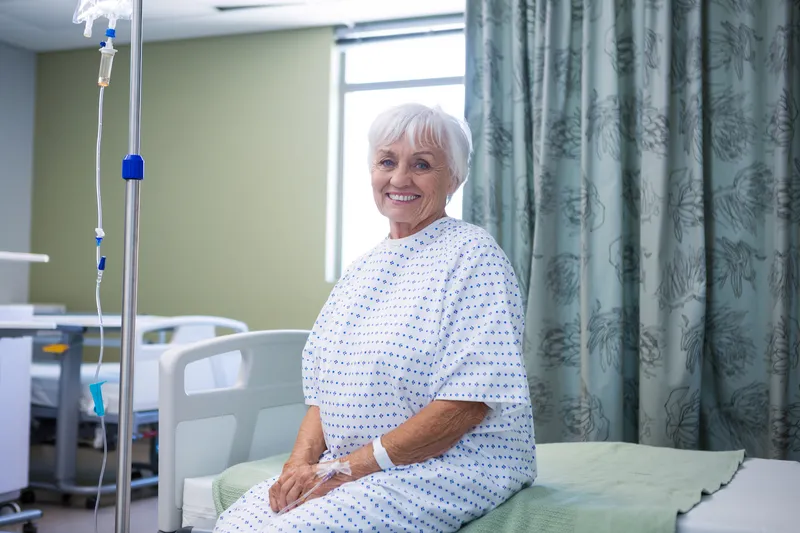
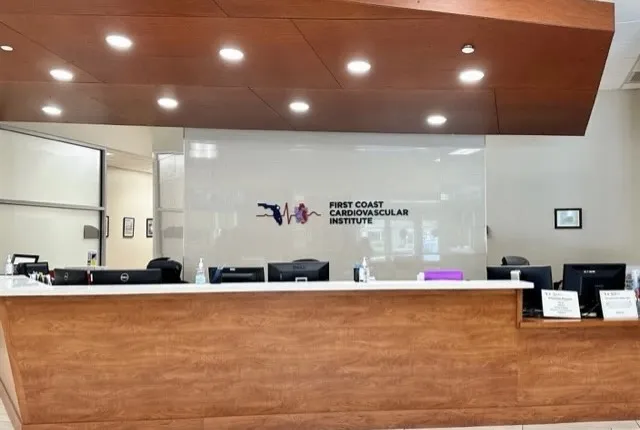
Recovery does not end at the hospital door. Follow-up with a cardiologist helps make sure your medicines are right, your heart is healing and your risk of another event is as low as possible. If you are admitted to HCA Florida Putnam Hospital, you can ask for a physician from First Coast Cardiovascular Institute; FCCI covers the hospital around the clock.
After you go home, your follow-up visits can happen at FCCI's Palatka office. Your team may order an echocardiogram to check how your heart pumps, or a stress test to see how it handles activity. Bring your discharge papers to your first visit.
Lowering your risk
Many heart attacks come from coronary artery disease, a slow buildup in the heart's arteries. Your doctor can help you work on the things that feed it: blood pressure, cholesterol, blood sugar, smoking and activity. A cardiologist can also decide whether tests, like a nuclear stress test, make sense for you.
Questions to ask at your visit
Ask your provider about your stroke and heart attack risk:
- What symptoms should send me to 911?
- Should I keep aspirin at home?
- What is my personal risk of a heart attack?
- Would a stress test help me?
- How do I lower my risk this year?
Care close to home in Palatka
After a scare, it helps to see familiar faces. Cecilia Pitts, APRN, spent most of her life in the Palatka area and nursed at Putnam Community Medical Center, and Kortney Winkleman, APRN, grew up in Putnam County. Both help patients lower their heart attack risk at the Palatka office.
Remember that the office is for prevention and follow-up, not emergencies. Warning signs mean 911. For a risk check or a follow-up after a hospital stay, call the front desk on a weekday between 8 a.m. and 5 p.m.
Want to know your own risk? Call 386.325.2836, weekdays 8 a.m. to 5 p.m., or request a visit online. Do not put symptoms or health history in the form; the team will ask by phone.