Heart and vascular tests, explained
FCCI's Palatka office is one of its five nuclear cardiology lab locations. Here is what common heart and vascular tests involve, in plain English, and how to get ready.
Nuclear stress test
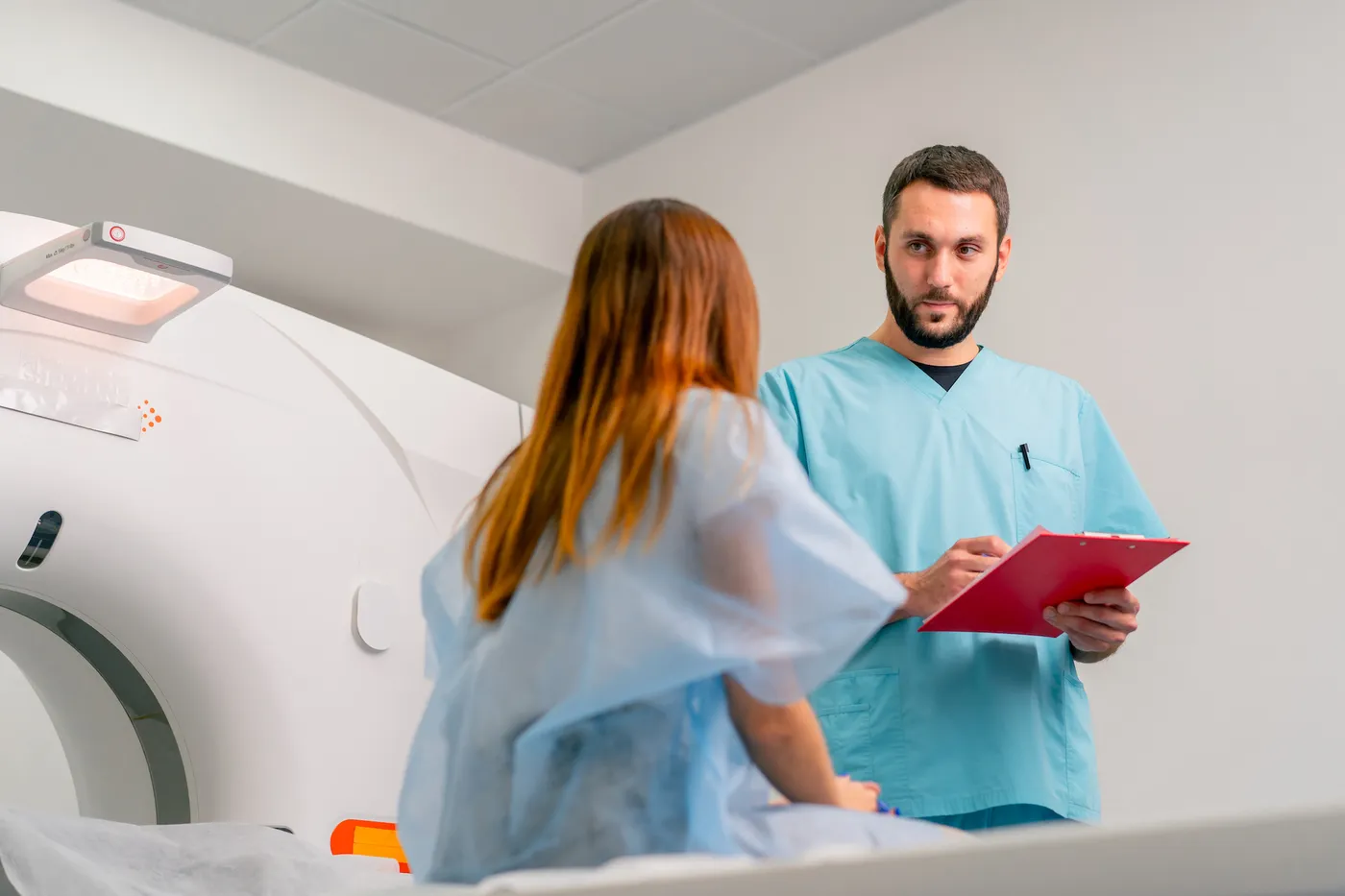
A nuclear stress test shows how well blood reaches your heart muscle, at rest and under stress. A small amount of tracer goes in through an IV. Stress comes from walking on a treadmill or from medicine that acts like exercise. A sensitive camera then takes pictures of your heart.
Areas with good blood flow take up the tracer. Areas fed by blocked arteries take up less. This helps your cardiologist find coronary heart disease, see damage from past heart attacks and plan next steps. Plan on about 2 hours. FCCI's accredited nuclear lab performs over 3,000 stress tests a year, and Palatka is one of its nuclear lab locations.
Nuclear imaging is one of the tests FCCI knows best. Since 2002 the practice has grown into the largest hospital-independent heart group in the region, and Palatka is one of its five nuclear lab locations.
Treadmill stress test and MUGA
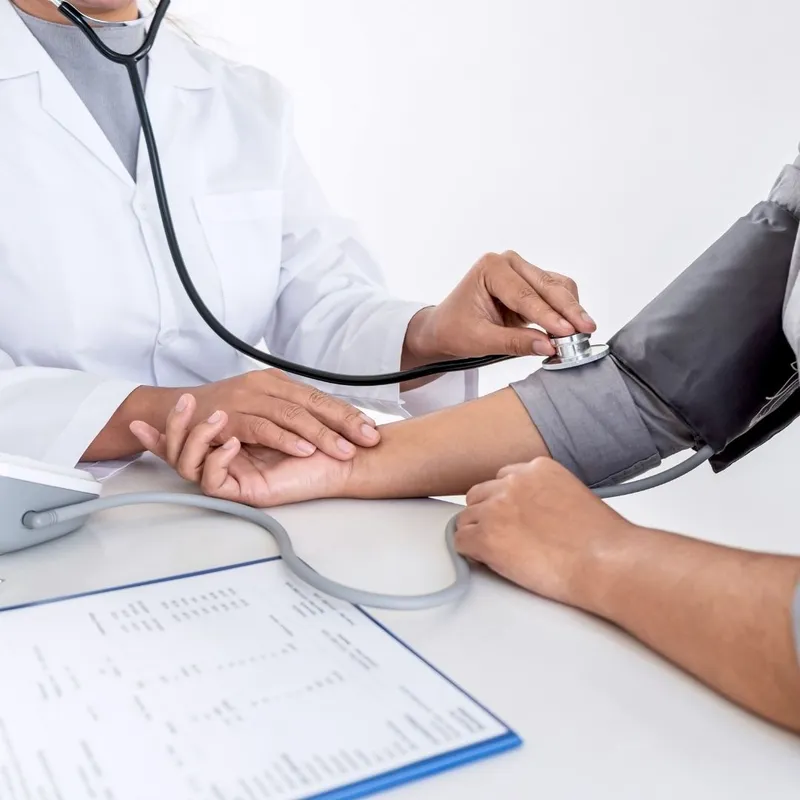
A treadmill stress test takes about 30 minutes. You wear EKG stickers while you walk. The speed and slope go up step by step. Your team watches your heart rate, blood pressure, EKG and how you feel.
A MUGA scan takes about an hour. It makes a moving picture of your beating heart to measure how well it pumps, called the ejection fraction.
FCCI publishes instruction sheets for these tests on its patient resources page. Your team will give you the right one for your test.
Most treadmill and MUGA tests are planned visits. If you are ever in HCA Florida Putnam Hospital and need heart testing there, FCCI physicians cover the hospital 24 hours a day, so ask for them by name.
Echocardiogram
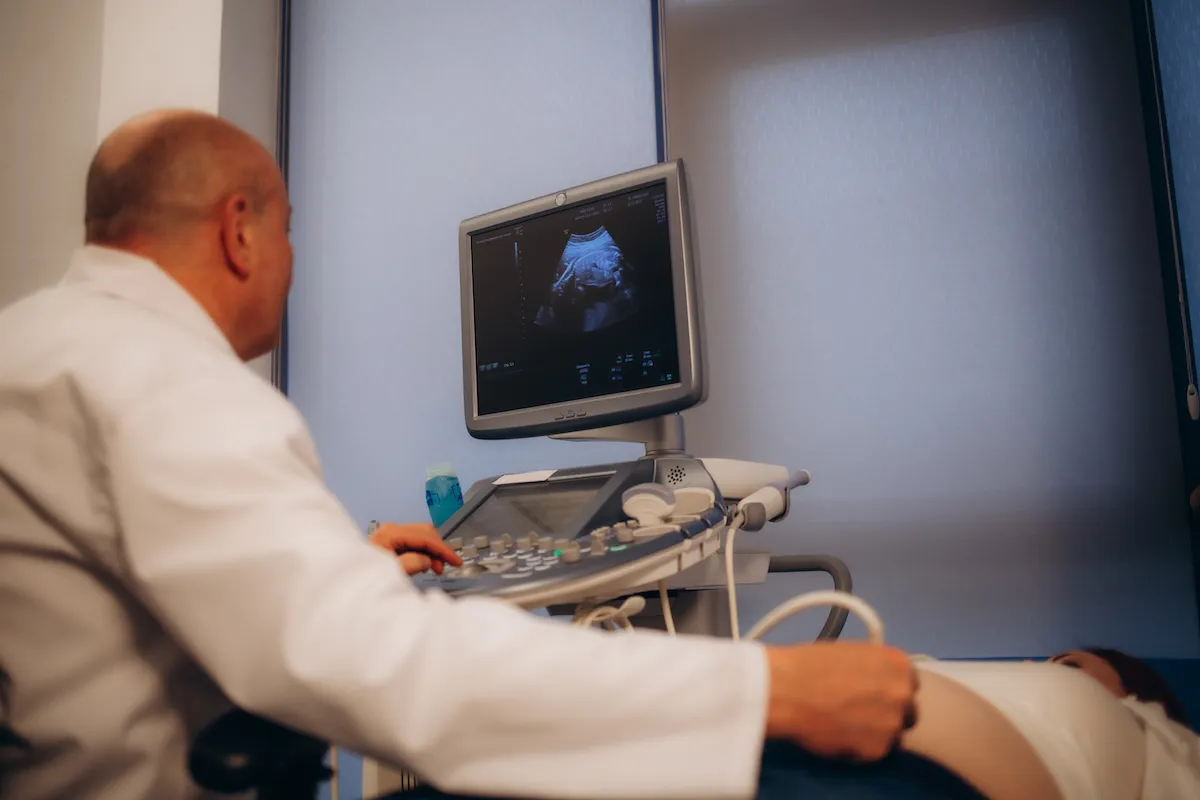
An echocardiogram is an ultrasound of the heart. It shows how the heart moves, how well it pumps and how blood flows across the valves. A sonographer puts three EKG stickers on your chest, has you lie on your left side, and moves a wand with cool gel over your chest. It takes about 40 minutes and needs no preparation. Most people feel only light pressure.
Echocardiograms are done right at the Palatka office, 205 Zeagler Drive, Suite 101. Call 386.325.2836 Monday through Friday, 8 a.m. to 5 p.m., to book one or to ask how to get ready.
Because FCCI has more than 30 providers and has served the area since 2002, your echo results can be read and acted on by the same practice that ordered the test.
Vascular ultrasound
FCCI's accredited non-invasive vascular lab uses ultrasound to check arteries and veins. Common tests include:
- Carotid duplex: checks neck arteries, a common cause of stroke. About 30 minutes.
- Venous duplex: looks for blood clots in the leg veins (DVT). About 30 minutes.
- Renal artery duplex: checks blood flow to the kidneys, with no contrast dye. 1 to 2 hours, and you avoid food, tobacco and caffeine for 7 hours before.
Call 386.325.2836 to ask which tests are done at the Palatka office and which may be scheduled at another FCCI location.
Vascular ultrasound is usually an office test. If a circulation problem ever puts you in HCA Florida Putnam Hospital, FCCI physicians cover there around the clock and can pick up where your scan left off.
Talk with a specialist.
New patients are welcome. Call 386.325.2836, Mon to Fri, 8am to 5pm, or request a visit online.
How long does a nuclear stress test take?
About 2 hours. A treadmill-only stress test takes about 30 minutes.
Do I need to prepare for an echocardiogram?
No. There is no preparation for an echo. It takes about 40 minutes.
Can I get a stress test in Palatka?
Palatka is one of FCCI's five nuclear cardiology lab locations. Call 386.325.2836 to schedule.
Keep exploring.
 Heart care in Palatka
Your Palatka cardiologist, right down the road
First Coast Cardiovascular Institute (FCCI) runs a full cardiology office and outpatient cath lab at 205 Zeagler Drive in Palatka, so Putnam County families can get heart and vascular care without the long drive to Jacksonville.
Read more Outpatient catheterization lab
A cath lab right here in Palatka
FCCI opened its second freestanding outpatient cath lab in Palatka in 2016. Many heart and leg artery procedures can be done there without a hospital stay, in a comfortable setting close to home.
Read more Vascular care
Leg pain and circulation care nearby
Blocked leg arteries, slow-healing foot wounds and dialysis access problems can often be treated with catheter-based care. FCCI does this work at its outpatient cath labs, including the one in Palatka.
Read more